Buying your first home in Hudson can feel exciting and a little overwhelming. You’re juggling prices, loans, inspections, and fast-moving listings while trying to make a smart long-term decision. You deserve a clear, local guide that simplifies each step and helps you move with confidence.
In this guide, you’ll learn what Hudson’s market looks like right now, how to prepare your finances, the key costs to expect, what to inspect in Southern New Hampshire homes, and a step-by-step timeline from pre-approval to keys. Let’s dive in.
Hudson market overview (03051)
Hudson is a suburban market in southern Hillsborough County with steady buyer demand. Recent snapshots show typical prices ranging from roughly $510,000 to about $590,000 for single-family homes. Because different data providers report different medians, focus on price bands and active comps, and plan to check live numbers close to your touring dates.
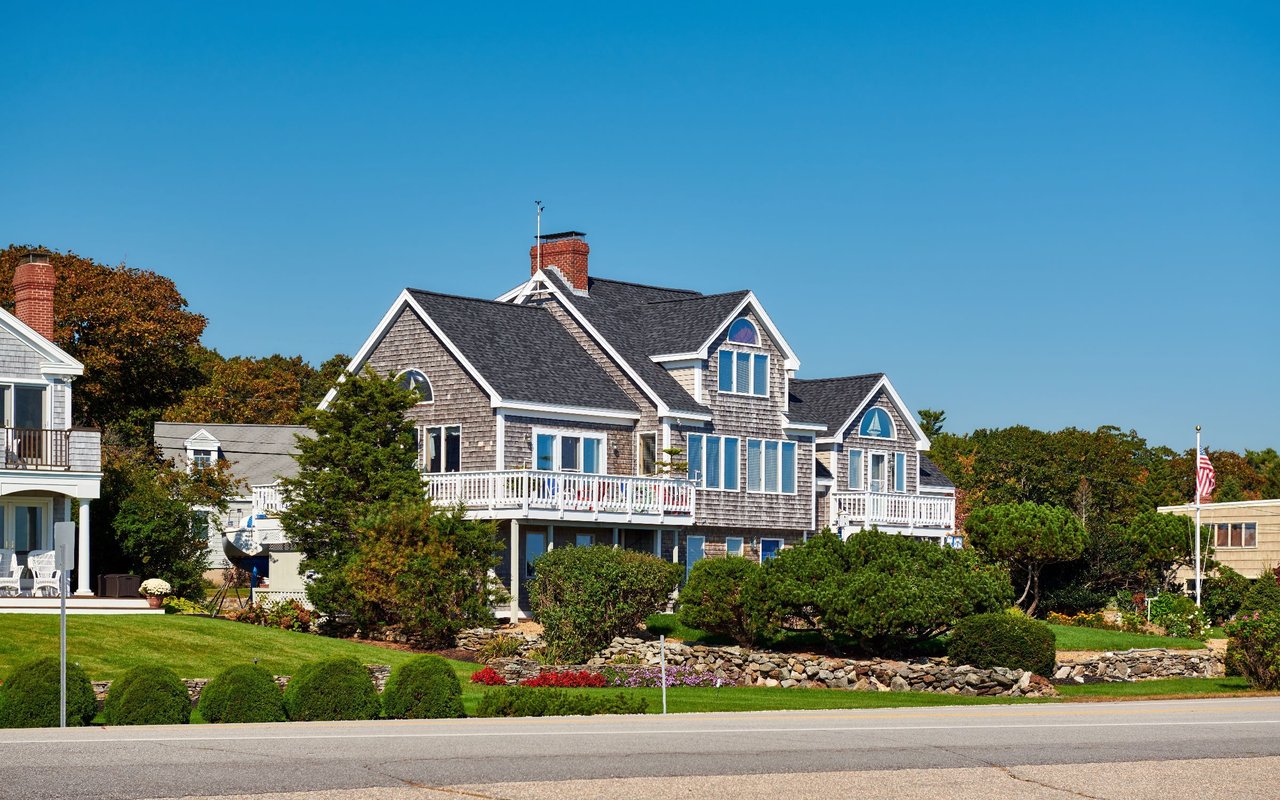
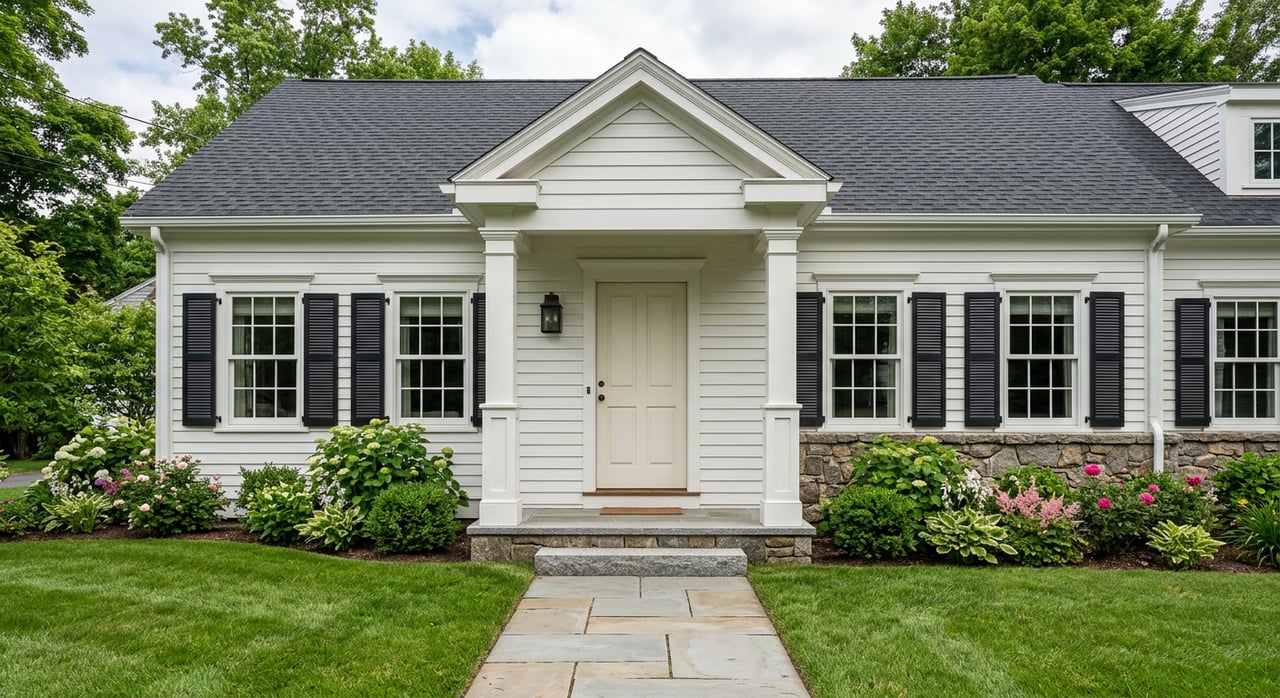
Inventory is often limited, and well-presented, move-in ready 3-bedroom homes tend to draw strong interest and go under contract quickly. You’ll find a mix of home types, from mid-century ranches and split-levels to classic colonials, capes, and newer townhome and single-family developments. Many homes are 40 to 50 years old, so condition, updates, and system age can vary widely.
Get pre-approved early
A solid pre-approval strengthens your offer and sets a clear budget. Most lenders ask for two years of W-2s or tax returns, recent pay stubs, bank statements, a photo ID, and details on debts. Ask for a written pre-approval, not just a pre-qualification.
Common first-time buyer loan options include:
- FHA: Many buyers qualify with as little as 3.5% down, subject to credit and program rules. Confirm mortgage insurance and other costs with your lender.
- Conventional low-down programs: Fannie Mae’s HomeReady can allow 3% down for eligible borrowers. Review requirements and income limits on the official HomeReady page. Learn about HomeReady’s 3% down option.
- VA and USDA: Zero-down programs exist for eligible veterans (VA) and some rural properties (USDA). Check eligibility early.
- Down-payment assistance: New Hampshire Housing offers first-time buyer mortgages and down-payment and closing-cost assistance. The agency currently advertises up to $15,000 in assistance for eligible borrowers when paired with an NH Housing mortgage. See NH Housing’s homebuyer programs.
What it costs to buy in NH
- Closing costs: Buyers typically budget about 2% to 5% of the purchase price to cover lender fees, appraisal, title, recording, and prepaids. Your lender and closing attorney will provide precise figures for your scenario.
- NH real estate transfer tax: This is collected at recording and is commonly described as a combined total of $15 per $1,000 of the purchase price (about 1.5% total). In practice, buyers and sellers often split it, so buyers should plan for roughly 0.75% of the price unless negotiated otherwise. Read a clear overview of the NH transfer tax.
- Annual property taxes: Hudson’s FY2025 total tax rate is $17.11 per $1,000 of assessed value. To estimate, multiply the home’s assessed value by 0.01711. For example, if the taxable assessed value is $540,000, the annual tax is roughly $9,239. Keep in mind that assessed value can differ from your purchase price. Check the town’s official tax-rate summary.
Homes, neighborhoods, and services
- Utilities: Many Hudson properties are connected to municipal water and sewer, but not all. Some areas use private wells and septic systems. Before you offer, confirm water/sewer status using the town’s public GIS and by contacting the Water and Sewer departments. Search the Town of Hudson GIS and find Sewer & Water contacts.
- Schools: Hudson School District (SAU #81) includes Alvirne High School and several elementary and middle schools. For enrollment and zone details, use the NH Department of Education SAU listing. See SAU #81 schools and contacts.
- Home styles: Expect a mix of colonials, capes, ranches, split-levels, and newer subdivisions and townhomes. Condition and systems vary by age; plan inspections accordingly and budget for near-term updates if needed.
Inspections to prioritize in Hudson
Plan a full home inspection and add tests based on the property’s age, systems, and utilities. Typical general inspections for a single-family home often run in the $300 to $500 range, with specialty tests adding to the total. See a national cost overview for home inspections.
- General home inspection: Structure, roof, HVAC, electrical, plumbing, foundation, attic, and insulation.
- Septic system: If not on town sewer, plan a septic inspection, confirm the tank location and age, and review permits or records when available.
- Private well: If applicable, test for bacteria (total coliform/E. coli), nitrates, and locally relevant contaminants. Ask for guidance from a certified lab on sampling and chain of custody.
- Radon testing: Radon is common in New England. If your test shows levels at or above 4 pCi/L, talk to a licensed mitigator about solutions. Learn more about radon and mitigation.
- Oil tank, chimney, and HVAC: Identify any active or decommissioned oil tanks and check chimney liners, flues, and heating equipment age/efficiency.
- Roof, insulation, and ventilation: Ask your inspector to assess risk factors for ice dams and cold-weather performance.
- Lead paint/asbestos (older homes): For pre-1978 homes, review disclosures and discuss testing needs with your inspector.
Inspections & tests checklist
- General home inspection
- Radon test
- Septic inspection and dye test (if applicable)
- Well water test (if applicable)
- Oil tank sweep and documentation review
- Chimney and HVAC evaluation
- Pest/termite, as indicated by property
- Lead paint testing for older homes, if needed
Your step-by-step timeline
Timeframes can vary by property and loan type, but many Hudson transactions follow a 30 to 45 day path from accepted offer to closing.
- Pre-approval: 1 to 7 days
- House hunting: Weeks to months
- Offer and acceptance: 1 to 7 days
- Inspections and due diligence: Commonly 7 to 14 days
- Appraisal and underwriting: Often 2 to 4 weeks
- Closing: Typically 30 to 45 days from acceptance, depending on loan and contingencies
Before you write an offer, confirm utilities and parcel details on the town GIS. During escrow, respond quickly to lender requests, order title work, and address any title exceptions. Recording happens at the county registry, where transfer tax and recording fees are finalized and shown on your Closing Disclosure. Review Hillsborough County recording information.
Cash-to-close example (illustrative)
Using a $540,000 purchase price, here is a simple way to think about funds needed. Your numbers will vary by loan type, rate, credits, and exact fees.
- 3% down conventional (HomeReady eligible): $16,200. Check HomeReady details
- 3.5% down FHA: $18,900
- Estimated closing costs at 2%: $10,800
- Buyer share of NH transfer tax at ~0.75%: About $4,050
Your lender and closing attorney will prepare accurate estimates for your situation and will update them as fees finalize. The Closing Disclosure, delivered at least three business days before closing, is the official reference for your transaction.
Tips to compete in Hudson
- Get fully pre-approved before you tour. Strong financing and clear documentation help your offer stand out.
- Be realistic on inspections. Choose the right tests and be ready to discuss repairs or credits, not just price.
- Lean on recent comps. Ask your agent for 30/60/90-day sales and a sense of how quickly similar homes have gone under contract.
- Clarify timing. Flexible closing dates or a short but realistic inspection window can help in a competitive situation.
When you are ready to take the next step, you do not have to navigate it alone. If you want local guidance, clear communication, and a concierge-level buying experience, reach out to Michelle Daley to start your first-home game plan.
FAQs
What should first-time buyers know about closing costs in Hudson, NH?
- Expect buyer closing costs around 2% to 5% of the purchase price, plus your share of the NH transfer tax (often about 0.75% of price unless negotiated). Your lender and attorney will provide exact figures, and you can review state transfer tax basics here: NH transfer tax overview.
What is Hudson’s property tax rate and how do I estimate my bill?
- Hudson’s FY2025 total tax rate is $17.11 per $1,000 of assessed value. Multiply the taxable assessed value by 0.01711 to estimate the annual tax (for example, $540,000 × 0.01711 ≈ $9,239). Always confirm on the town site: Hudson tax-rate summary.
Do Hudson homes have town water and sewer?
- Many do, but not all. Use the town’s GIS map to check parcel-level water/sewer status and contact the Sewer & Water departments to confirm before you make an offer.
Which inspections matter most for Southern NH homes?
- Plan a full general inspection, add radon testing, and include septic and well testing when applicable; also evaluate oil tanks, chimneys, HVAC, roof, and insulation. Learn about radon here: EPA radon guidance, and use your inspector’s advice for any additional specialty tests.
Are there down-payment assistance programs for first-time buyers in New Hampshire?
- Yes. New Hampshire Housing offers first-time buyer mortgages and down-payment and closing-cost assistance, currently advertising up to $15,000 for eligible buyers when paired with an NH Housing mortgage. Start here: NH Housing homebuyer programs.
How long does it take to close with financing in Hudson?
- Many financed purchases close in about 30 to 45 days from offer acceptance, depending on loan type, appraisal timing, and contingencies. Your lender will give a more specific schedule once you are under contract.