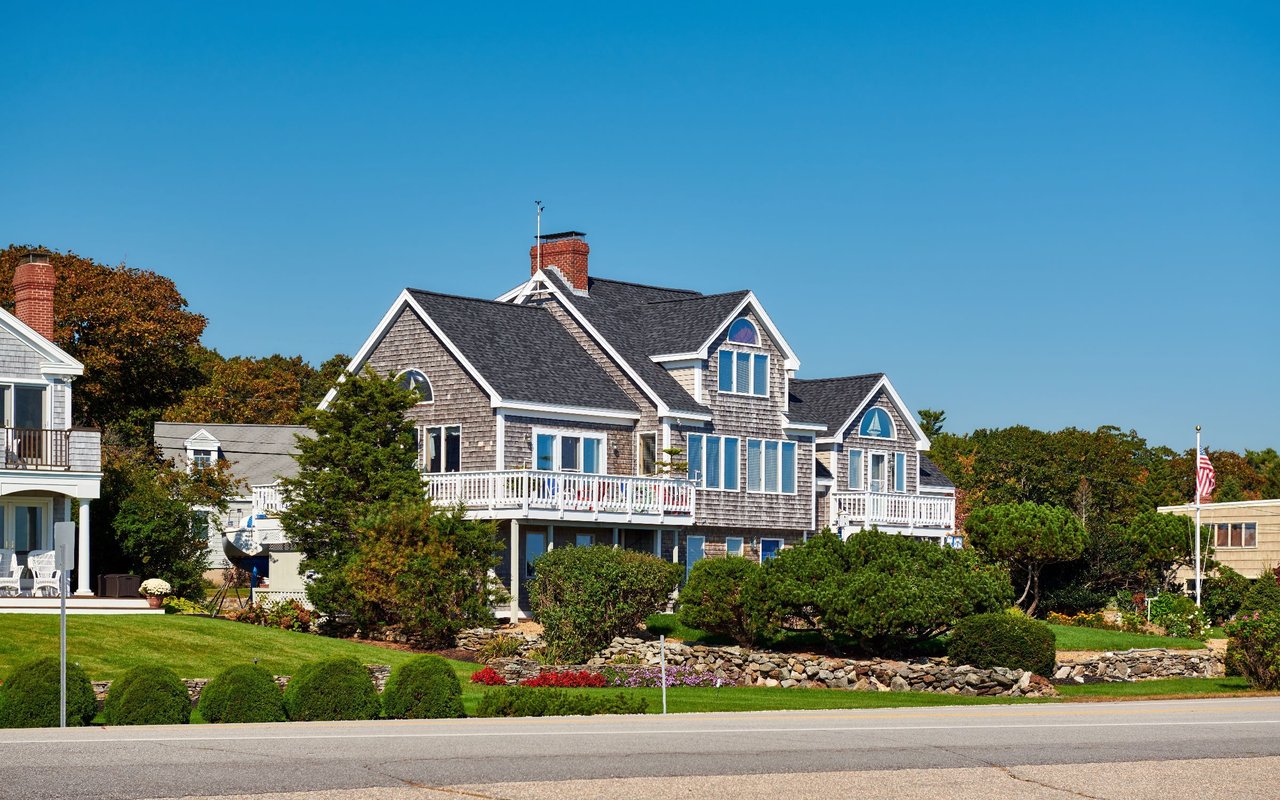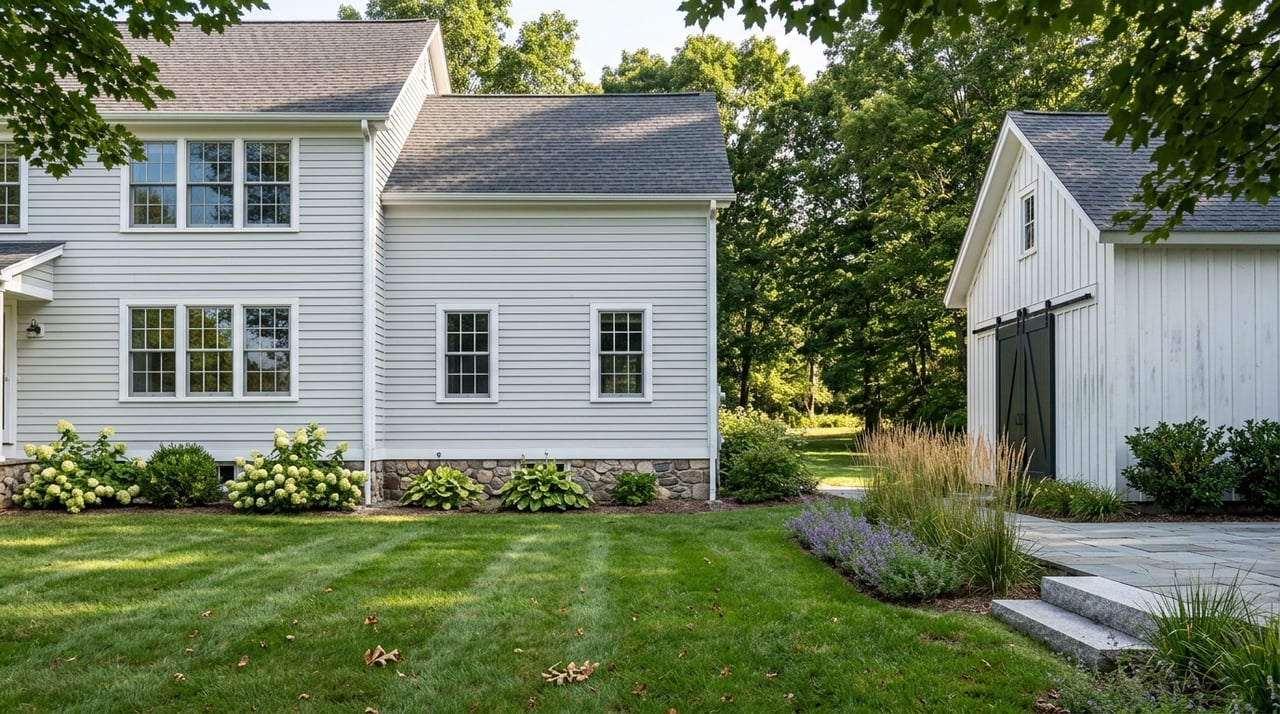
If you are getting ready to sell an acreage home in Hollis, you are not just preparing a house. You are preparing a whole property experience. Buyers in Hollis often care about the land, the setting, and how the home and outbuildings work together, so the goal is to make everything feel clear, cared for, and easy to picture. With the right prep, you can highlight both the beauty and usefulness of your property. Let’s dive in.
Why Hollis acreage prep is different
Hollis has a strong rural identity, and that matters when you bring an acreage property to market. The town’s Conservation Commission focuses on conserving natural resources and rural character, including agricultural and forest resources, aquifers, waterways, greenways, and viewscapes. The Agricultural Commission also notes that about half of the town’s land area is under some form of agricultural use.
That means buyers are not looking for a generic suburban presentation. They want to see a property that feels maintained and usable, while still reflecting the character that makes Hollis special. In other words, the best prep plan is usually a blend of stewardship plus staging.
Start with the land buyers see first
On a larger property, the first showing begins long before a buyer reaches the front door. The driveway, approach, parking area, and visible outdoor spaces help buyers form an opinion right away. If those areas look tidy and intentional, the whole property feels easier to understand.
Focus first on the parts of the land that frame the home and support day-to-day use. That usually means mowing visible areas, edging the driveway and walkways, defining parking, and clearing obvious debris. If you have trails, patios, paddocks, or garden zones, make them look purposeful rather than forgotten.
You do not need to mow every acre
Many sellers assume they need to manicure the entire property before listing. In most cases, that is not necessary. Hollis acreage should still look like Hollis acreage, not a golf course.
Healthy woods, open fields, and natural land can remain intact. What matters most is that the areas buyers will actually experience first look accessible, maintained, and easy to read.
Selective cleanup works better than over-clearing
UNH Extension notes that even owners of a few acres can improve their property through simple stewardship practices. Its woodlot guidance highlights scenic beauty, recreation, water resources, and wildlife habitat as important goals. That supports a more thoughtful approach to cleanup.
Instead of stripping everything back, think about opening up light, improving sightlines, and making outdoor spaces feel usable. Mature trees, stone walls, and field structure often add to the sense of place and should usually be preserved when they are in good shape.
Address invasive growth before photos
If invasive plants are visible near the house, driveway, or outdoor living areas, deal with them early. They can make the property look neglected, even when the rest of the home is well maintained. Once buyers notice them, they can become a distraction.
UNH Extension explains that invasive plants can reduce biodiversity, wildlife habitat, water quality, and forest production. It also warns that viable invasive plant parts generally cannot be brought to most transfer stations in New Hampshire. That means removal should be planned carefully and done properly before photography and showings begin.
Make the house feel calm and move-in ready
Inside the home, your goal is not to erase personality. It is to make the space feel clean, bright, and easy for buyers to imagine living in. That matters even more today because many buyers will first experience your property through photos and video.
According to the National Association of Realtors’ 2025 staging research, 29% of agents said staging increased offered dollar value by 1% to 10%, and 49% said staging reduced time on market. Buyers’ agents also reported that staging helps buyers visualize a property as their future home, and that photos, physical staging, videos, and virtual tours are especially important.
Prioritize the rooms that shape buyer impressions
For most homes, the biggest interior priorities are the living room, kitchen, and primary bedroom. Those rooms tend to set the tone for the rest of the showing. If they feel polished and balanced, the entire home usually shows better.
Keep the look simple and edited. Remove extra furniture, clear off most surfaces, and let natural light and architectural details do more of the work.
Curate rustic charm
A Hollis acreage home often has features buyers love, such as beams, wood floors, stone details, barn elements, or even a wood stove. Those features can be assets if they are clean, well lit, and presented with care. They help tell the story of the property.
What tends to get in the way is excess. Too much hobby gear, pet items, feed bags, storage overflow, or heavy themed décor can make buyers focus on your lifestyle instead of the home itself. A more curated presentation helps them imagine their own future there.
Do not overlook mudrooms and lifestyle spaces
On acreage properties, buyers often pay close attention to the spaces that support the way the property lives. A deck, porch, patio, mudroom, workshop, or barn can carry real value in a buyer’s mind. But each one needs to feel useful and maintained.
Before listing, walk through each of these spaces and ask a simple question: is it obvious what this area is for? If the answer is no, clean it out, simplify it, and give it a clearer purpose. Buyers respond better when a property’s lifestyle features are easy to understand.
Empty and organize outbuildings
Barns, sheds, and detached structures deserve their own prep plan. They can be a strong selling point, but only if buyers can clearly see their size, function, and condition. If they are packed wall to wall, buyers may assume there are hidden problems or that the space is smaller than it really is.
In most cases, it makes sense to empty or thin out these structures enough to show how they can be used. Organized storage, open floor area, and clear paths go a long way. This also gives you a chance to identify maintenance or documentation issues before a buyer does.
Check zoning and setbacks early
Hollis zoning rules make this step especially important. The town ordinance says structures that are 120 square feet or less do not need a building permit, but they still must meet setback requirements. Accessory structures greater than 250 square feet or more than 12 feet high must comply with the setback requirements for principal buildings.
Because setbacks may relate to lot lines, rights-of-way, leach fields, wells, shoreline, and wetlands, it is smart to confirm that sheds, barns, portable buildings, and similar structures are correctly positioned and documented before your home hits the market. This can reduce surprises during buyer due diligence.
Handle private well and septic questions upfront
For many rural and acreage listings, buyers want answers about private systems early in the process. If you can provide recent documentation, you make the property feel more straightforward and lower-stress.
The New Hampshire Department of Environmental Services recommends that private well users and home buyers test well water during the inspection period and repeat testing every 3 to 5 years, with bacteria and nitrate tested yearly. For septic systems, NHDES says homeowners should inspect the tank every year and pump it every 2 to 3 years.
A seller who can share recent well and septic information often removes one of the biggest question marks for buyers. It also helps your property feel better cared for from the start.
Use expert guidance on larger lots
If your property includes woods or a larger land component, you may not need to guess where to spend your time and money. UNH Extension says county foresters can visit properties for free and help owners think through goals for forestry, recreation, wildlife habitat, water resources, and scenic beauty.
That can be useful when you are deciding between selective tree work, trail cleanup, invasive removal, or simply presenting the land more clearly. Sometimes a few well-chosen improvements can make a bigger impact than a long list of expensive projects.
A practical pre-listing checklist
If you want a simple way to think about market prep for a Hollis acreage home, start here:
- Mow and edge the visible areas around the home, driveway, and outdoor living spaces
- Define parking and improve the approach to the house
- Clear debris and make trails, patios, paddocks, and garden areas feel intentional
- Remove visible invasive growth and dispose of it properly
- Declutter and stage the living room, kitchen, and primary bedroom
- Edit rustic features so charm stands out without feeling crowded
- Clean and simplify mudrooms, porches, workshops, barns, and sheds
- Confirm outbuilding placement and setback compliance
- Gather recent well water and septic documentation
- Prepare the property for strong photography, video, and in-person showings
Presentation matters online and in person
Today, many buyers will see your home online before they ever visit in person. That is especially true for distinctive properties, where photos and video shape the first impression. If your acreage home looks polished, legible, and inviting on screen, you create stronger interest before a showing is even scheduled.
That is where thoughtful staging and presentation can make a measurable difference. A property that feels visually clear, well maintained, and true to its setting gives buyers more confidence from the start.
Selling a Hollis acreage home is not about making it look suburban. It is about helping buyers understand the value of the house, the land, and the lifestyle together. When the property feels well cared for, easy to navigate, and beautifully presented, you give yourself a stronger chance at a faster and more successful sale.
If you are wondering which updates are worth doing before you list, Michelle Daley can help you create a smart, design-forward plan that highlights your home’s strengths and keeps the process manageable from start to finish.
FAQs
How should you prepare land for a Hollis acreage home sale?
- Focus on the areas buyers see and use first, such as the driveway, parking, home site, patios, trails, and garden spaces, while keeping healthy woods and fields intact.
Do you need to mow every acre before listing a Hollis property?
- Usually no. Visible areas should look maintained and accessible, but the property should still reflect Hollis’s natural and rural character.
Is staging worth it for a Hollis acreage home?
- Often yes. NAR’s 2025 staging research found that many agents saw higher offers or reduced time on market, and buyers’ agents said staging helps buyers visualize a home.
What should you do with barns and sheds before selling in Hollis?
- Clean them out enough to show function, size, and condition clearly, and confirm that structures meet applicable Hollis setback requirements.
Should you test the well and septic before listing a Hollis home?
- Having recent well water and septic documentation can help reduce buyer uncertainty and make your property feel more move-in ready during the sale process.