Wondering if you can get that classic suburban feel without giving up convenience? Westford offers a mix of space, local character, and regional access that appeals to buyers who want more breathing room while staying connected to major job centers. If you are considering a move to this part of Middlesex County, this guide will walk you through what daily life in Westford can look like and why so many people keep it on their shortlist. Let’s dive in.
Why Westford Stands Out
Westford is a historic town with deep New England roots and a modern suburban identity. Incorporated in 1729, it sits west of Lowell, north of Concord, and near the New Hampshire border. Town materials describe it as a suburban bedroom community with a strong high-tech orientation.
That combination shapes a lot of what you feel here. You get established neighborhoods, scenic roads, conservation land, and community traditions, along with practical access to employers, shopping, and commuter routes. For many buyers, that balance is the main draw.
Westford also has a strong owner-occupied profile. Census Bureau QuickFacts estimates 25,024 residents in 2024, with 88.5% of homes owner-occupied, a median owner-occupied home value of $689,400, and a median household income of $181,523. Those numbers point to a town where many residents put down long-term roots.
Westford Housing Character
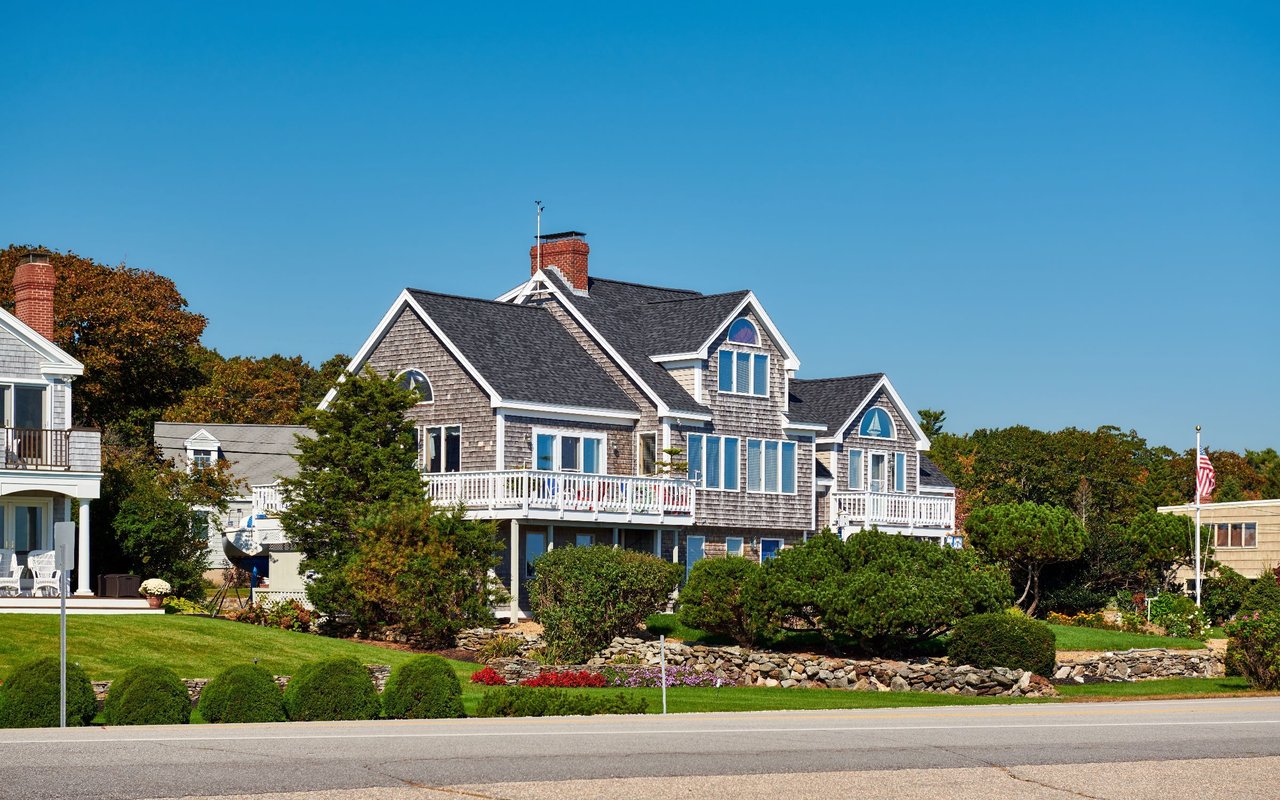
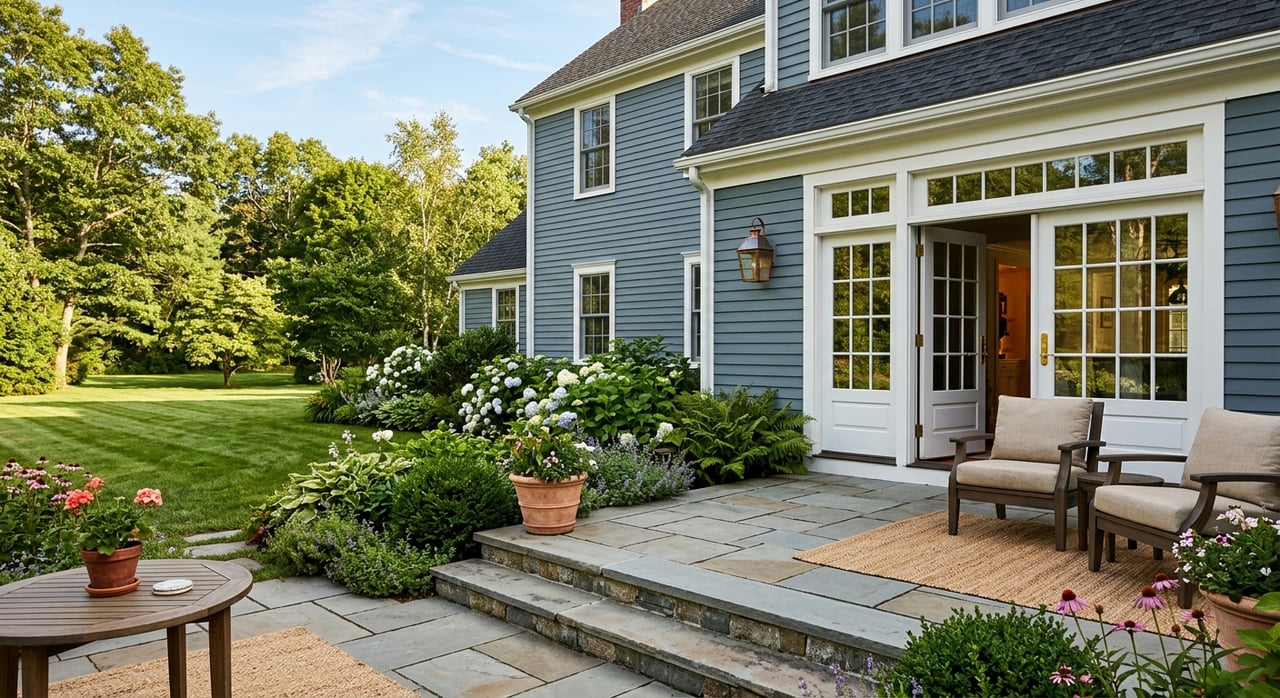
If you picture Westford as mostly single-family homes, that is largely accurate. The town’s master plan says the housing stock is dominated by detached single-family homes, including newer cul-de-sac subdivisions and older neighborhood patterns around Nabnasset Lake, Graniteville, and the southern farm areas.
At the same time, Westford is not limited to one housing type. The same plan notes nearly 800 condominiums, along with a smaller share of two-family, three-family, and small multifamily properties. That gives buyers a few different entry points depending on budget, lifestyle, and maintenance preferences.
One of the most interesting parts of Westford is its architectural variety. In Westford Center, the housing mix includes Federal, Italianate, Queen Anne/Tudor, and Colonial Revival homes. In Graniteville and Forge Village, you will also find older mill-related housing patterns such as row houses, double houses, and worker homes that reflect the town’s industrial past.
Neighborhood Feel Across Town
Westford does not feel exactly the same from one area to the next. The town’s development pattern includes a historic town center, village-style areas, commercial corridors, office parks, and small retail clusters. That variety gives the community a layered feel rather than a one-note suburban layout.
Westford Center tends to reflect the town’s historic identity. Other parts of town, including areas near Route 110 and Littleton Road, feel more convenience-driven because they connect retail, services, healthcare, and dining in one corridor. In places like Graniteville and Forge Village, you can still see how Westford’s earlier development shaped the streetscape and housing stock.
For buyers, this matters because lifestyle fit often comes down to details. Some people want a setting with more neighborhood history and a traditional town feel, while others prioritize quick access to daily errands and commuting routes. Westford offers both, depending on where you look.
Outdoor Life in Westford
Westford’s outdoor appeal is a major part of everyday life. The town protects more than 2,200 acres of conservation land and maintains an extensive trail network. The Bruce Freeman Rail Trail also passes through town, adding another option for walking, biking, and getting outside.
Water access is part of the local lifestyle too. Westford oversees two public beaches, Forge Pond Beach and Edwards Beach, and the Recreation Department uses those spaces along with school facilities and East Boston Camps for local programming. If you value recreation close to home, Westford gives you several ways to enjoy it.
The town’s landscape adds to that sense of place. Town materials highlight rolling hills, lakes, and apple orchards, along with local destinations such as Hill Orchard, Kimball Farm, Nashoba Valley Ski Area, and golf clubs. You do not have to drive far to find a seasonal activity or an easy weekend outing.
Community Events and Daily Lifestyle
A town can have great homes and still feel flat if community life is missing. Westford avoids that problem. Local materials point to recurring traditions such as the Apple Blossom Festival and Strawberry Festival, which help reinforce a strong sense of local identity.
There are also year-round amenities that support daily life. Town pages describe a state-of-the-art library and an active community center, both of which contribute to a busy civic life. These are the kinds of features that can make a town feel easier to settle into once you move.
For buyers relocating from out of state or from a denser urban area, that can be especially helpful. A community with regular events, public spaces, and active recreation often feels easier to navigate during your first year. You are not just buying a home. You are building a routine.
Shopping and Dining Convenience
Westford’s convenience factor is one of its biggest advantages. The town says it offers a diverse mix of retail, dining, and recreation that supports work-life balance, from coffee and muffin shops to full-service dining and ice cream destinations.
Many of those options are concentrated along Route 110 and Littleton Road. Town pages highlight destinations and businesses in Westford Plaza, Westford Valley Marketplace, Orchard Square, and Cornerstone Square. Market Basket is also identified as a local retail location in town.
This commercial layout helps explain why Westford can feel village-like and car-friendly at the same time. You may have a more traditional residential setting at home, but day-to-day errands and services are still close by. That blend is a big part of the town’s appeal for busy households.
Commuting From Westford
If commute access is high on your list, Westford checks an important box. Town pages place it in the I-495 Technology Corridor, roughly 30 to 35 miles from Boston and Cambridge, about 10 miles from Lowell, with access to Route 495, Route 3, and nearby commuter rail in Littleton.
That regional connection supports a wide range of work patterns. Whether you commute regularly, split time between home and office, or need flexibility for different destinations, Westford gives you practical options without feeling isolated. Census QuickFacts reports a mean travel time to work of 32 minutes, which is consistent with a commuter-oriented suburb.
The local employment base also adds convenience for some residents. Town pages cite high-tech, healthcare, and advanced manufacturing employers such as NetScout, Red Hat, Juniper Networks, and Circle Health. For buyers who want access to both local and regional job centers, that can be a meaningful advantage.
Who Westford May Appeal To
Westford often appeals to buyers who want more space and a more residential setting while staying connected to the broader Boston-Cambridge-Lowell employment belt. If you are looking for a town with a strong single-family presence, outdoor amenities, and practical road access, it is easy to see the fit.
It can also work well for relocators who need guidance comparing different parts of the region. Westford offers a suburban feel, but it is not cut off from major routes, retail centers, or employment hubs. That is often a key concern for buyers moving in from another state.
Because the housing stock includes both established older homes and newer development patterns, buyers can often compare different lifestyle options within the same town. Some will be drawn to historic character, while others may prefer newer layouts or lower-maintenance condo living. The right match depends on your priorities.
What To Consider Before Moving
Like any move, living in Westford comes down to fit. The town’s homeownership profile and median owner-occupied home value suggest a market that may feel more competitive and higher-priced than some nearby areas. It helps to define your goals early, especially if you are balancing home style, commute needs, and budget.
You will also want to think about your preferred day-to-day setting. Some buyers care most about trail access, open space, and neighborhood feel. Others want to be closer to retail corridors and major roads.
That is where local guidance matters. When you understand how different parts of Westford function, it becomes much easier to narrow your search and focus on homes that support the way you actually live.
Westford offers a compelling mix of suburban comfort, local character, and everyday convenience. If you are exploring a move to Westford or comparing it with nearby Massachusetts and New Hampshire commuter towns, working with a knowledgeable local advisor can help you sort through the options with confidence. If you are ready to take the next step, connect with Michelle Daley for a free home valuation & staging consultation.
FAQs
What is daily life like in Westford, MA?
- Daily life in Westford blends a suburban residential setting with convenient access to shopping, dining, recreation, conservation land, trails, and community events.
What types of homes are common in Westford, MA?
- Westford is dominated by detached single-family homes, with additional options that include condominiums and a smaller number of two-family, three-family, and small multifamily properties.
Is Westford, MA good for commuters?
- Westford offers access to Route 495, Route 3, and nearby commuter rail in Littleton, and town materials place it about 30 to 35 miles from Boston and Cambridge.
What outdoor amenities are available in Westford, MA?
- Westford has more than 2,200 acres of conservation land, an extensive trail network, the Bruce Freeman Rail Trail, and two public beaches at Forge Pond Beach and Edwards Beach.
Does Westford, MA have shopping and dining nearby?
- Yes, Westford has multiple retail and dining areas, especially along Route 110 and Littleton Road, with a mix of everyday services, grocery options, and local dining spots.