If your workweek points toward Boston, Lowell, or nearby employment hubs, but you still want more breathing room at home, Tyngsborough deserves a closer look. Many buyers are trying to balance commute time, home style, lot size, and day-to-day convenience without feeling boxed into a denser suburb. This guide will help you understand what kinds of homes are common in Tyngsborough, how commuting works, and why this Middlesex County town stands out for buyers who want space and access. Let’s dive in.
Why Tyngsborough Appeals to Commuters
Tyngsborough sits in northwest Middlesex County along the Route 3 corridor, bordering Lowell and New Hampshire. According to the Town of Tyngsborough, the town is roughly 44 miles northwest of Boston, with Route 3 running through town and I-495 about five miles south.
That location matters if your routine depends on getting in and out by car. Tyngsborough is set up more like a highway-access commuter town than a dense transit-first community, which can be appealing if you want a more suburban setting while staying connected to regional job centers.
The town also shows signs of long-term residential stability. Census QuickFacts reports a 2024 population estimate of 12,779, an owner-occupied housing rate of 86.2%, and a mean travel time to work of 24.1 minutes.
What Homes Are Most Common
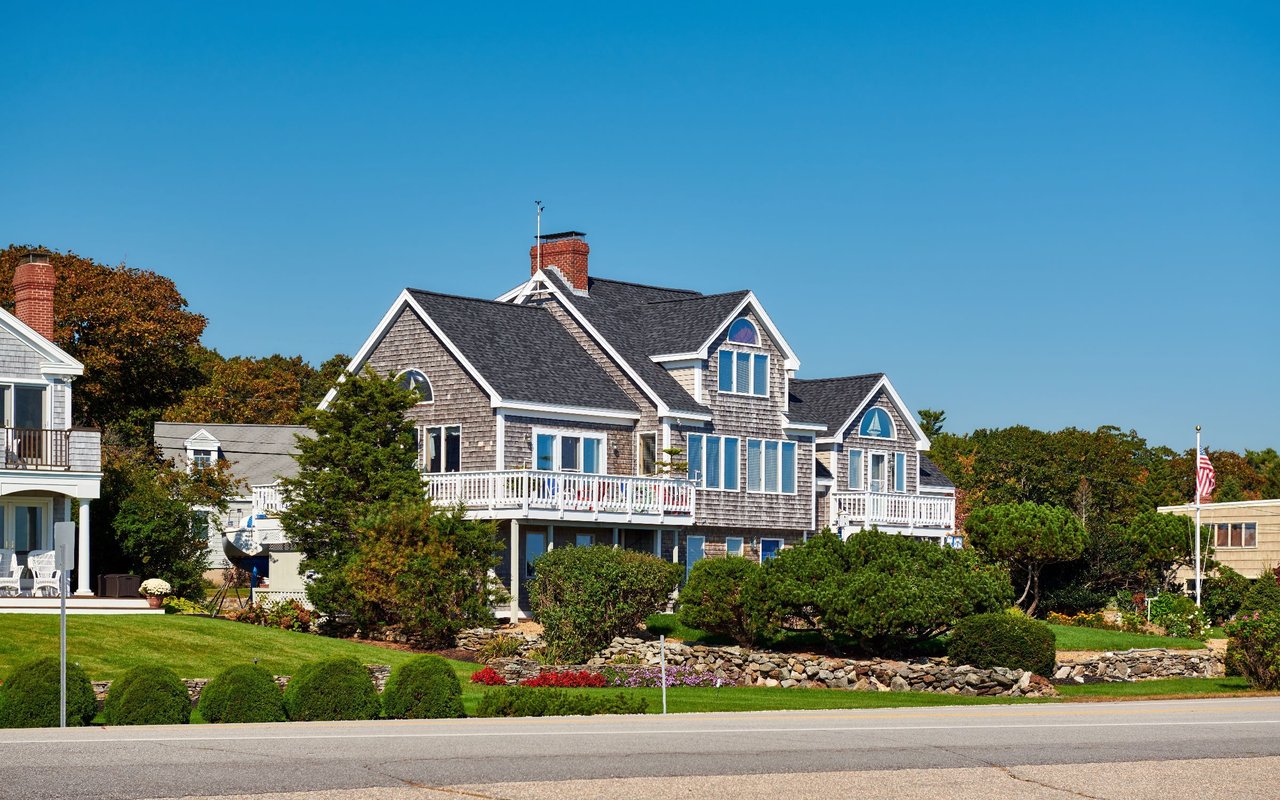
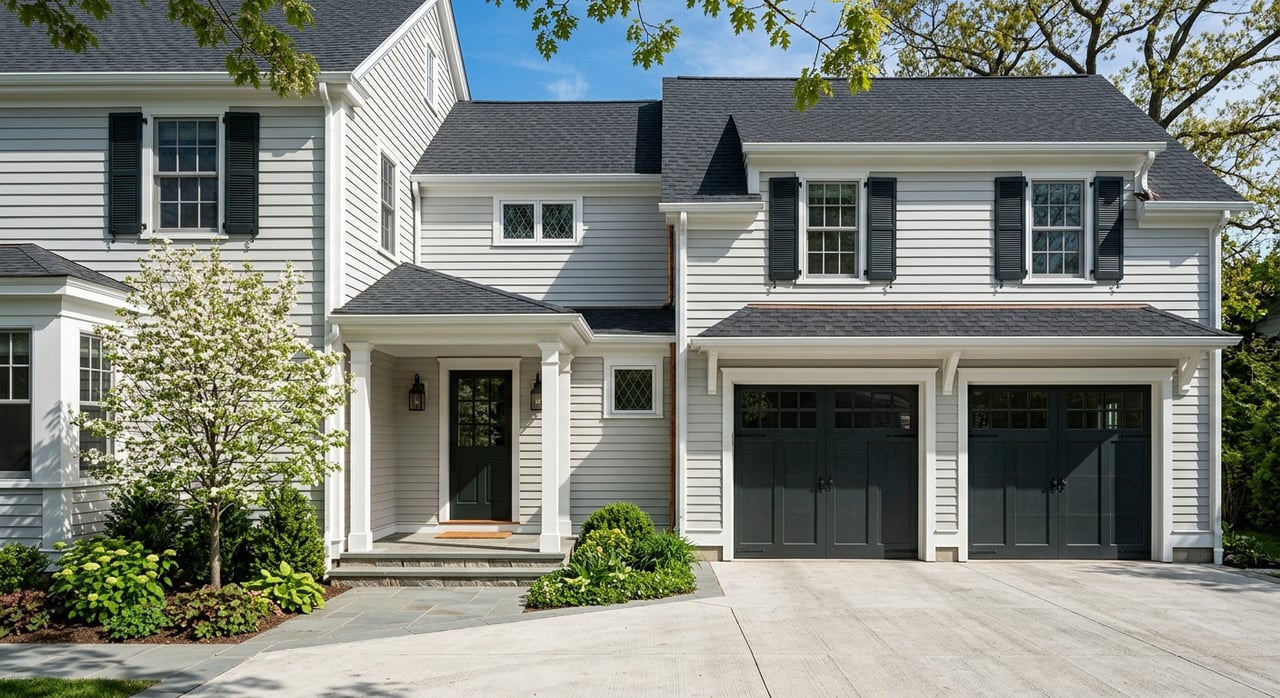
If you are starting your home search here, the biggest pattern to know is simple: Tyngsborough is largely a single-family home market. A current Massachusetts housing report says 84% of housing units are in single-family homes, while 5.3% are in two- to four-family buildings and 9.2% are in multifamily buildings with five or more units.
Older planning data points in the same direction. Tyngsborough’s housing production plan described single-family detached homes as 72.6% of the housing stock, even though the exact percentage varies by data year. The takeaway is consistent: detached homes dominate the local market.
For many Massachusetts commuters, that can be a major reason to compare Tyngsborough with communities closer to Boston. If you are looking for a traditional suburban setup with more private outdoor space and a stronger ownership profile, this town may align well with your goals.
What That Means for Buyers
Because detached homes make up most of the inventory, your search will likely center on single-family properties rather than condos or larger multifamily buildings. That does not mean other options are unavailable, but they are a smaller share of the overall market.
The ownership trend also shapes how the town feels. Census data shows a median value of owner-occupied homes at $552,500, median gross rent at $1,986, and median monthly owner costs with a mortgage at $2,910. Taken together, those numbers reinforce Tyngsborough’s role as a primarily owner-oriented community.
Lot Sizes and the Suburban Feel
For many commuters, home options are not just about square footage. Lot size, spacing, and neighborhood layout also shape daily life. In Tyngsborough, zoning rules point to a lower-density pattern that supports a more classic suburban New England feel.
The town’s zoning bylaw says single-family homes in the R-3 district require 44,000 square feet and 200 feet of frontage. Duplexes in that same district require 88,000 square feet and 400 feet of frontage.
Open-space residential standards also support larger parcels. In that section of the bylaw, the minimum parcel size is nine acres in R-1, and the minimum lot area is 35,000 square feet. In plain terms, buyers should generally expect suburban-sized lots rather than compact city lots.
That pattern is also supported by the town’s planning approach. Tyngsborough’s housing production plan says subdivisions larger than 15 acres should dedicate 10% of land to park or open space, which adds to the sense of yard space, common land, and lower-density development.
Commute Options From Tyngsborough
If you drive to work, Tyngsborough’s location is one of its clearest advantages. With Route 3 through town and I-495 nearby, the town supports regional travel well, especially for buyers who want easier highway access than they might find in a more built-up inner suburb.
For commuters who want a backup plan, Tyngsborough also offers useful park-and-ride and transit connections. MassDOT notes that the Tyngsborough Park and Ride at 99 Kendall Road has 339 spaces, bike racks, a bus shelter, and commuter bus service through Boston Express.
There is also a practical bus-to-rail option. LRTA Route 10 serves the Dracut/Tyngsboro route, and Lowell Station-Gallagher Terminal connects riders to the MBTA Commuter Rail Lowell Line toward North Station.
Driving vs. transit in Tyngsborough
Most buyers should think of Tyngsborough as primarily a driving town with workable transit support. That distinction is helpful when comparing it with communities built more directly around rail stations.
If your priority is walk-to-train convenience, Tyngsborough may not feel like the strongest fit. If your priority is more space at home with solid regional road access and transit alternatives when needed, it may be a much better match.
Everyday Convenience and Lifestyle
A commuter town still has to work on ordinary weekdays. That means errands, services, and easy access to practical destinations matter just as much as highway routes.
Tyngsborough’s MBTA Communities planning materials point to the northern Middlesex Road retail corridor as an area of business activity and future mixed-use attention. You can explore that context on the town’s MBTA Communities page, which also explains the town’s role as an MBTA Adjacent Community because it abuts Lowell station.
That policy work is worth watching if you are thinking long term. While today’s housing stock is still mostly detached homes, the town’s Section 3A zoning work is intended to diversify housing options and support the Middlesex Road corridor over time.
Outdoor Space Adds to the Appeal
For some buyers, the value of Tyngsborough is not just the house itself. It is also the setting around it. The town says it has hundreds of acres of protected forest, meadow, and wetland land, along with more than ten miles of trails in the Tyngsborough/Lowell/Dracut State Forest.
That outdoor access can give the town a more residential, nature-connected feel than some commuter locations that focus almost entirely on traffic flow and commercial density. You can learn more through the town’s Open Space & Recreation information.
For buyers relocating from denser areas, that can be a meaningful lifestyle shift. You may still have regional access for work, but your at-home environment can feel quieter and more open.
Who Tyngsborough May Suit Best
Tyngsborough can make sense for several types of Massachusetts-area commuters, especially if you are trying to balance access with space. Based on the town’s housing and transportation profile, it may be worth a closer look if you want:
- A market where detached single-family homes are the main housing type
- Larger lots and a more suburban layout
- Direct access to Route 3 and proximity to I-495
- Park-and-ride and Lowell transit connections as backup commute options
- An ownership-oriented community with outdoor recreation nearby
It may be especially relevant if you are comparing border-area towns in Massachusetts and Southern New Hampshire. Buyers making a cross-border move often want help sorting through commute patterns, housing style, and day-to-day convenience, not just price alone.
A Smart Way to Evaluate Your Options
When you compare Tyngsborough with other commuter towns, focus on the full picture. Look at the kind of home you can realistically buy, the amount of land that usually comes with it, your likely driving routes, and whether park-and-ride or rail connections fit your routine.
It also helps to think about how you want your home to function outside work hours. If more space, a quieter residential pattern, and access to open land matter to you, Tyngsborough offers a profile that is distinct from denser communities closer to Boston.
If you are exploring Tyngsborough or comparing Massachusetts border-town options, Michelle Daley can help you evaluate commute-friendly home choices with local insight and a personalized, concierge-level approach.
FAQs
What types of homes are most common in Tyngsborough, MA?
- Detached single-family homes are the most common housing type in Tyngsborough, with a smaller share of two- to four-family and larger multifamily properties.
How large are lots in Tyngsborough, MA?
- Tyngsborough zoning generally points to suburban-sized lots, including 44,000-square-foot minimums for single-family homes in the R-3 district and 35,000-square-foot minimum lots in open-space residential development.
Is Tyngsborough, MA better for drivers or transit commuters?
- Tyngsborough is mainly a driving town, but it also offers useful backup options through the Tyngsborough Park and Ride, LRTA Route 10, and Lowell Line commuter rail connections via Lowell.
Why do Massachusetts commuters compare Tyngsborough with other towns?
- Buyers often compare Tyngsborough because it offers a combination of highway access, larger lots, and a housing stock dominated by owner-occupied detached homes.
Could housing options in Tyngsborough, MA change over time?
- The town’s MBTA Adjacent Community planning and Section 3A zoning work suggest housing choices may diversify over time, even though the current housing stock remains mostly detached single-family homes.